
What is Lipoma?
A lipoma is a soft, slow-growing lump of fat under the skin. It is usually harmless and moves slightly when pressed. Lipomas are common on the back, shoulders, arms and neck.
Lipomas do not go away on their own. Removal is advised if a lump grows, causes discomfort or affects appearance. It is usually a short day-care procedure.
Symptoms of Lipoma
- A soft, rubbery lump under the skin
- Lump that moves easily with finger pressure
- Slow increase in size over months or years
- Discomfort if it presses on nerves
- Usually not painful, but sometimes tender
Noticing these symptoms? Talk to a surgeon for free.
Talk to an expertCauses and risk factors
- Family history of lipomas
- Usually more common between 40 and 60 years of age
- Certain rare genetic conditions
- Exact cause is often not known
How it is diagnosed
- Physical examination of the lump
- Ultrasound to check size and depth
- MRI for large or deep lumps
- Biopsy if the lump looks unusual
Lipoma excision: what to expect
- 1
Before surgery
Your surgeon examines the lump and may order an ultrasound. You will be told whether fasting is needed.
- 2
During surgery
A small cut is made over the lump, the fatty tissue is removed and the skin is closed with fine stitches.
- 3
Anaesthesia and duration
Usually done under local anaesthesia. The procedure typically takes 20-45 minutes.
- 4
After surgery
You go home the same day with a dressing. The removed tissue may be sent for testing.
Benefits of the modern approach
- Usually done as day care
- Small cut with neat closure
- Removes discomfort and pressure from the lump
- Tissue can be tested to confirm diagnosis
Lipoma surgery cost
The cost depends on the procedure chosen, the hospital, the room category, anaesthesia, tests and medicines, and your insurance cover. Your TaCa Dost shares the full package upfront, before you decide.
Insurance
We check your policy and handle the cashless paperwork.
Insurance helpEMI options*
Pay in easy monthly instalments, subject to lender approval.
EMI detailsTaCa Possibilities Card
Members pay Ayushman package rates at partner hospitals.
See the cardRecovery
- Hospital stay
- Usually same day
- Procedure time
- 20-45 minutes
- Back to routine
- 1-2 days
Recovery tips
- Keep the dressing clean and dry
- Avoid stretching the area for a week
- Return for stitch removal if needed
- Report redness or discharge to your doctor
Risks are usually minor, such as bruising, infection or a scar, and a lipoma can occasionally regrow; your surgeon will explain these.
Why choose TaCa?
- Free surgeon consultationTalk to an experienced surgeon before you decide.
- Dedicated TaCa DostOne case manager from first call to follow-up.
- Insurance paperwork handledPre-authorisation, documents and claim filing.
- EMI options*Spread the cost into easy monthly payments.
- Short-stay surgeryMinimally invasive care; many patients go home the same or next day.
Our surgeons
 Verified
Dr Nilesh Dehariya
MBBS, MS (General Surgeon)
 Verified
Dr Abhay Singhal
MBBS, MS (General Surgeon)
 Verified
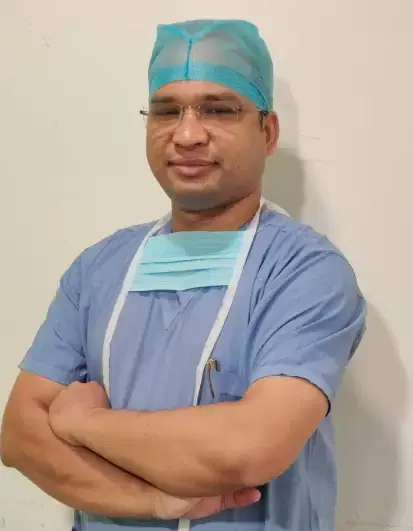
Dr Chandrakant Kar
MBBS, MS, MCh (Urologist)
Lipoma: frequently asked questions
What does lipoma removal cost?
Cost depends on the city, hospital category, room type, surgical technique, tests needed and your insurance cover. Your TaCa Dost shares a clear estimate after the surgeon’s consultation, and EMI options are available.
Is lipoma removal covered by insurance?
Most health insurance policies cover medically necessary surgery, subject to policy terms and waiting periods. Your TaCa Dost checks your eligibility and handles the cashless or reimbursement paperwork for you.
How long does recovery take?
Most patients return to work in one to two days. The wound usually heals in one to two weeks.
Is lipoma removal painful?
Local anaesthesia numbs the area, so you should feel only pressure. Mild soreness afterwards usually settles in a few days.
Is a lipoma cancerous?
Most lipomas are harmless. Your surgeon may test the removed tissue to confirm the diagnosis.
When should I see a doctor?
See a doctor if a lump grows quickly, becomes painful, feels hard or fixed, or if you are unsure what it is.
This page is for general information and does not replace a consultation. Your surgeon will advise on the right treatment for you. Content reviewed by the TaCa clinical team.