
What is Gallbladder Stones?
Gallstones are hard deposits that form in the gallbladder. They can block bile flow and cause pain in the upper right abdomen, nausea and indigestion, especially after fatty meals.
When gallstones cause symptoms, removing the gallbladder is the usual treatment. Laparoscopic surgery does this through small cuts, and the body digests food normally without it.
Symptoms of Gallstones
- Pain in the upper right or middle abdomen
- Pain spreading to the right shoulder or back
- Nausea or vomiting
- Bloating and indigestion after fatty meals
- Fever with chills if infection develops
- Yellowing of skin or eyes
Noticing these symptoms? Talk to a surgeon for free.
Talk to an expertCauses and risk factors
- Excess cholesterol in bile
- Gallbladder not emptying properly
- Obesity or rapid weight loss
- Pregnancy and hormonal changes
- Family history and increasing age
How it is diagnosed
- Ultrasound of the abdomen
- Liver function and blood tests
- MRCP to check the bile ducts if needed
- CT scan in selected cases
Laparoscopic cholecystectomy: what to expect
- 1
Before surgery
Ultrasound and blood tests confirm the diagnosis. Your fitness for anaesthesia is checked and you fast before surgery.
- 2
During surgery
The surgeon makes three or four small cuts, uses a camera to guide the instruments and removes the gallbladder.
- 3
Anaesthesia and duration
Done under general anaesthesia. The procedure typically takes 45-90 minutes.
- 4
After surgery
Most patients start fluids and walk the same day, and go home within a day with diet advice.
Benefits of the modern approach
- Small cuts and minimal scarring
- Usually less pain than open surgery
- Short hospital stay
- Faster return to normal eating and work
Gallstones surgery cost
The cost depends on the procedure chosen, the hospital, the room category, anaesthesia, tests and medicines, and your insurance cover. Your TaCa Dost shares the full package upfront, before you decide.
Insurance
We check your policy and handle the cashless paperwork.
Insurance helpEMI options*
Pay in easy monthly instalments, subject to lender approval.
EMI detailsTaCa Possibilities Card
Members pay Ayushman package rates at partner hospitals.
See the cardRecovery
- Hospital stay
- 1 day
- Procedure time
- 45-90 minutes
- Back to routine
- 5-7 days
Recovery tips
- Start with light, low-fat meals
- Walk regularly to aid recovery
- Avoid heavy lifting for a few weeks
- Keep the wound sites clean and dry
Risks are uncommon but include bleeding, infection and bile leak or bile duct injury; your surgeon will explain these and how they are managed.
Why choose TaCa?
- Free surgeon consultationTalk to an experienced surgeon before you decide.
- Dedicated TaCa DostOne case manager from first call to follow-up.
- Insurance paperwork handledPre-authorisation, documents and claim filing.
- EMI options*Spread the cost into easy monthly payments.
- Short-stay surgeryMinimally invasive care; many patients go home the same or next day.
Our surgeons
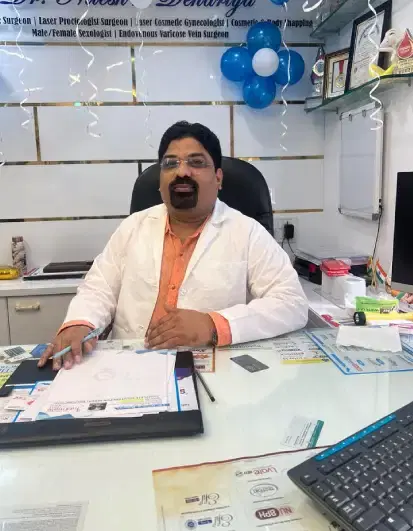 Verified
Dr Nilesh Dehariya
MBBS, MS (General Surgeon)
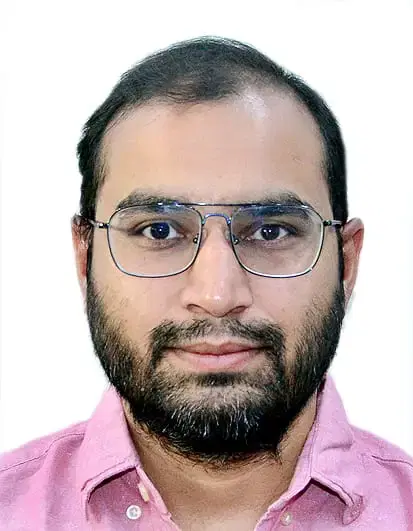 Verified
Dr Abhay Singhal
MBBS, MS (General Surgeon)
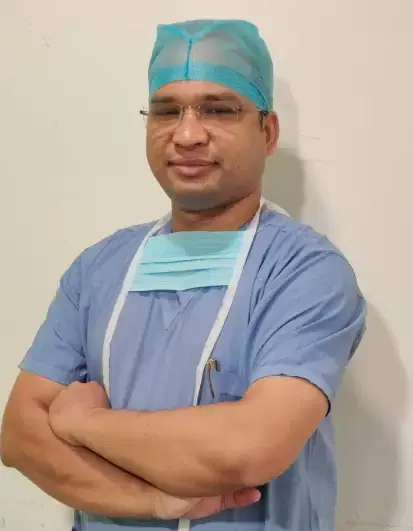 Verified
Dr Chandrakant Kar
MBBS, MS, MCh (Urologist)
Gallstones: frequently asked questions
What does gallbladder surgery cost?
Cost depends on the city, hospital category, room type, surgical technique, tests needed and your insurance cover. Your TaCa Dost shares a clear estimate after the surgeon’s consultation, and EMI options are available.
Is gallbladder stone surgery covered by insurance?
Most health insurance policies cover medically necessary surgery, subject to policy terms and waiting periods. Your TaCa Dost checks your eligibility and handles the cashless or reimbursement paperwork for you.
How long does recovery take?
Most patients return to desk work in about a week. Full recovery usually takes two to four weeks.
Is gallbladder surgery painful?
You are asleep during surgery. Some soreness and shoulder discomfort for a few days is common and settles with medicines.
Can I live normally without a gallbladder?
Yes. Bile flows directly from the liver to the intestine. Some people notice loose stools for a while, which usually settles.
When should I see a doctor?
See a doctor for repeated upper abdominal pain after meals. Seek urgent care for severe pain, fever or yellowing of the eyes.
This page is for general information and does not replace a consultation. Your surgeon will advise on the right treatment for you. Content reviewed by the TaCa clinical team.