
What is Enlarged Prostate (BPH)?
Benign prostatic hyperplasia (BPH) is a non-cancerous enlargement of the prostate gland, common in older men. It can press on the urine passage and make urination difficult.
Medicines help many men. When symptoms persist, laser (HoLEP) or TURP surgery removes the blocking tissue through the urinary passage, improving urine flow for most patients.
Symptoms of Prostate
- Weak or slow urine stream
- Frequent urination, especially at night
- Difficulty starting urination
- Feeling the bladder has not emptied fully
- Dribbling at the end of urination
- Sudden urge to pass urine
Noticing these symptoms? Talk to a surgeon for free.
Talk to an expertCauses and risk factors
- Age-related hormonal changes
- Family history of prostate enlargement
- Obesity and lack of physical activity
- Diabetes and heart disease
How it is diagnosed
- Digital rectal examination
- Ultrasound to measure prostate size and leftover urine
- Uroflowmetry to measure urine flow
- PSA blood test and urine tests
HoLEP / TURP: what to expect
- 1
Before surgery
Tests assess the prostate and your general fitness. Blood thinners may need to be adjusted as your doctor advises.
- 2
During surgery
A scope is passed through the urine passage and the blocking prostate tissue is removed with laser or electric loop.
- 3
Anaesthesia and duration
Usually done under spinal or general anaesthesia. The procedure typically takes 60-90 minutes.
- 4
After surgery
A urinary catheter stays for one to two days. Most patients go home within two days.
Benefits of the modern approach
- No cuts on the skin
- Improved urine flow for most patients
- Laser techniques usually reduce bleeding
- Short hospital stay
Prostate surgery cost in Sonipat
The cost depends on the procedure chosen, the hospital, the room category, anaesthesia, tests and medicines, and your insurance cover. Your TaCa Dost shares the full package upfront, before you decide.
Insurance
We check your policy and handle the cashless paperwork.
Insurance helpEMI options*
Pay in easy monthly instalments, subject to lender approval.
EMI detailsTaCa Possibilities Card
Members pay Ayushman package rates at partner hospitals.
See the cardRecovery
- Hospital stay
- 1-2 days
- Procedure time
- 60-90 minutes
- Back to routine
- 1-2 weeks
Recovery tips
- Drink plenty of water to flush the bladder
- Avoid straining and heavy lifting for a few weeks
- Expect some burning or urgency for a few weeks
- Do pelvic floor exercises if advised
Possible effects include blood in urine, temporary leakage and changes in ejaculation; your urologist will explain these before surgery.
Why choose TaCa in Sonipat?
- Free surgeon consultationTalk to an experienced surgeon before you decide.
- Dedicated TaCa DostOne case manager from first call to follow-up.
- Insurance paperwork handledPre-authorisation, documents and claim filing.
- EMI options*Spread the cost into easy monthly payments.
- Short-stay surgeryMinimally invasive care; many patients go home the same or next day.
Our surgeons
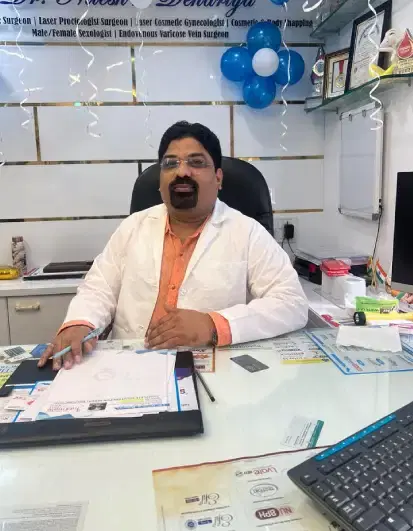 Verified
Dr Nilesh Dehariya
MBBS, MS (General Surgeon)
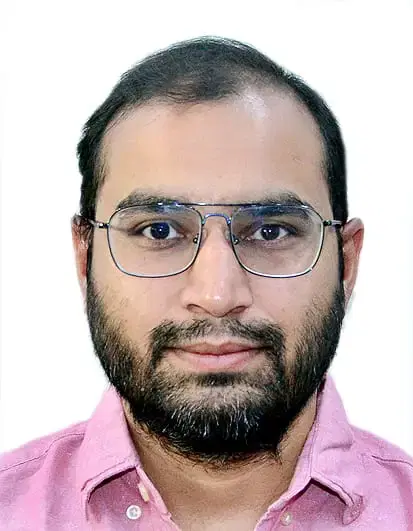 Verified
Dr Abhay Singhal
MBBS, MS (General Surgeon)
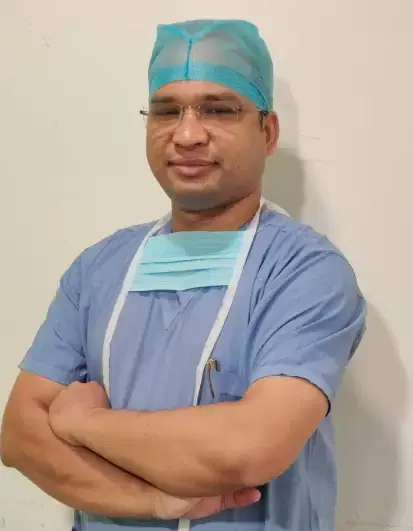 Verified
Dr Chandrakant Kar
MBBS, MS, MCh (Urologist)
Prostate: frequently asked questions
What does prostate surgery cost?
Cost depends on the city, hospital category, room type, surgical technique, tests needed and your insurance cover. Your TaCa Dost shares a clear estimate after the surgeon’s consultation, and EMI options are available.
Is prostate surgery covered by insurance?
Most health insurance policies cover medically necessary surgery, subject to policy terms and waiting periods. Your TaCa Dost checks your eligibility and handles the cashless or reimbursement paperwork for you.
How long does recovery take?
Most men return to light activity in one to two weeks. Urinary symptoms usually keep improving over a few weeks.
Is prostate surgery painful?
You are under anaesthesia during surgery. Discomfort from the catheter and burning urination are common and usually settle.
Does BPH mean prostate cancer?
No. BPH is a non-cancerous enlargement. Your urologist may still run tests such as PSA to check.
When should I see a doctor?
See a doctor if urinary symptoms affect sleep or daily life. Seek urgent care if you cannot pass urine at all.
This page is for general information and does not replace a consultation. Your surgeon will advise on the right treatment for you. Content reviewed by the TaCa clinical team.