
What is Anal Fissure?
An anal fissure is a small tear in the lining of the anus. It often causes sharp pain during and after passing stool, sometimes with a little bright red blood.
Many fissures heal with diet changes and ointments. A chronic fissure that does not heal may need surgery, which relaxes the tight anal muscle so the tear can heal.
Symptoms of Fissure
- Sharp, cutting pain while passing stool
- Burning pain that can last hours after a bowel movement
- Small amount of bright red blood on stool or tissue
- A visible crack or tear near the anus
- A small skin tag near the tear
- Itching or irritation around the anus
Noticing these symptoms? Talk to a surgeon for free.
Talk to an expertCauses and risk factors
- Passing hard or large stools
- Long-term constipation or straining
- Frequent diarrhoea
- Tight anal sphincter muscle
- Childbirth
How it is diagnosed
- Gentle visual examination of the anal area
- Digital rectal examination when comfortable
- Proctoscopy or anoscopy if needed
- Further tests if the fissure is in an unusual position
Laser lateral internal sphincterotomy: what to expect
- 1
Before surgery
Your surgeon confirms the diagnosis and reviews medicines. Routine blood tests are done and you may be advised to fast.
- 2
During surgery
A small, controlled cut is made in the internal sphincter muscle to relieve spasm, often using a laser for precision.
- 3
Anaesthesia and duration
Usually done under spinal or short general anaesthesia. The procedure typically takes 20-30 minutes.
- 4
After surgery
Most patients go home the same day with stool softeners, pain relief and advice on sitz baths and diet.
Benefits of the modern approach
- Small wound with usually less bleeding
- Relief from muscle spasm that delays healing
- Usually same-day discharge
- Quick return to daily activities for most patients
Fissure surgery cost in Bhopal
The cost depends on the procedure chosen, the hospital, the room category, anaesthesia, tests and medicines, and your insurance cover. Your TaCa Dost shares the full package upfront, before you decide.
Insurance
We check your policy and handle the cashless paperwork.
Insurance helpEMI options*
Pay in easy monthly instalments, subject to lender approval.
EMI detailsTaCa Possibilities Card
Members pay Ayushman package rates at partner hospitals.
See the cardRecovery
- Hospital stay
- Usually same day
- Procedure time
- 20-30 minutes
- Back to routine
- 2-3 days
Recovery tips
- Eat fibre-rich food and drink plenty of fluids
- Take warm sitz baths two to three times a day
- Use stool softeners as prescribed
- Do not strain or delay going to the toilet
Possible risks include bleeding, infection and, rarely, temporary difficulty controlling gas; your surgeon will explain these and how they are managed.
Why choose TaCa in Bhopal?
- Free surgeon consultationTalk to an experienced surgeon before you decide.
- Dedicated TaCa DostOne case manager from first call to follow-up.
- Insurance paperwork handledPre-authorisation, documents and claim filing.
- EMI options*Spread the cost into easy monthly payments.
- Short-stay surgeryMinimally invasive care; many patients go home the same or next day.
Our surgeons
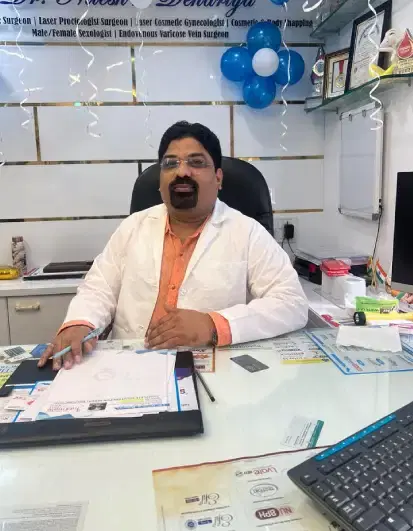 Verified
Dr Nilesh Dehariya
MBBS, MS (General Surgeon)
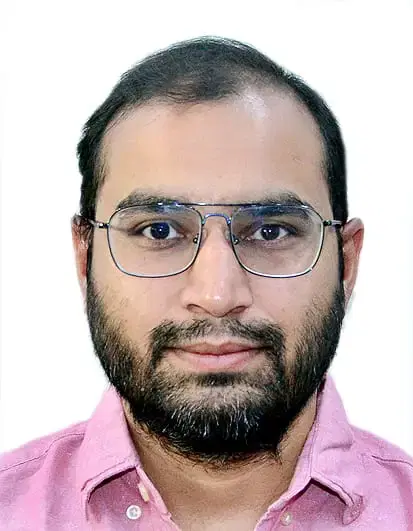 Verified
Dr Abhay Singhal
MBBS, MS (General Surgeon)
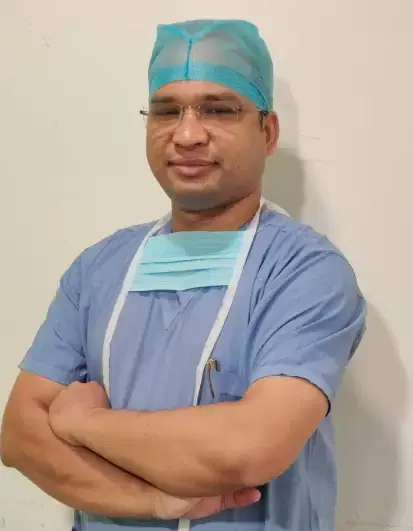 Verified
Dr Chandrakant Kar
MBBS, MS, MCh (Urologist)
Fissure: frequently asked questions
What does fissure surgery cost?
Cost depends on the city, hospital category, room type, surgical technique, tests needed and your insurance cover. Your TaCa Dost shares a clear estimate after the surgeon’s consultation, and EMI options are available.
Is fissure surgery covered by insurance?
Most health insurance policies cover medically necessary surgery, subject to policy terms and waiting periods. Your TaCa Dost checks your eligibility and handles the cashless or reimbursement paperwork for you.
How long does it take to recover?
Most patients resume light work in 2-3 days. The fissure usually heals over a few weeks, provided stools are kept soft.
Is fissure surgery painful?
Anaesthesia keeps you comfortable during surgery. Many patients find the pain after surgery is less than the pain the fissure caused, and it is managed with medicines.
Can a fissure heal without surgery?
Yes, many new fissures heal with diet changes, sitz baths and ointments. Surgery is usually advised when a fissure lasts more than six to eight weeks.
When should I see a doctor?
See a doctor if you have pain during bowel movements, bleeding from the anus, or symptoms that do not improve within a week or two.
This page is for general information and does not replace a consultation. Your surgeon will advise on the right treatment for you. Content reviewed by the TaCa clinical team.